Looking for a last minute getaway? Give us a call or start a search

Search Last Minute
NS3_4469-Edit-2-1-scaled

Owning a Holiday Cottage in Kent: Council Tax Q&As

17 December 2025
Holly Price

Owning a Holiday Cottage in Kent: Council Tax Q&As

Owning a holiday cottage brings about colossal lifestyle benefits – not only is it an asset that provides passive income, but it’s also a space for you to escape to with your loved ones, doing the things you enjoy most. However, with the ‘Second Homes Premium’ that came into effect in 2024, many existing and prospective holiday cottage owners are rightfully concerned about the increased tax burden and whether having a holiday cottage is still as lucrative as it once was. In this guide, we’re considering the ins and outs of holiday let council tax in Kent, and how to look at qualifying for the business rates relief.     

What Is Council Tax?

Council Tax is a compulsory local tax on domestic properties which helps fund essential local services. These include social care, education, waste and recycling, fire and police services, local roads, street lighting, parks, and council administration.​

Every property is put into a valuation band (Find the Kent valuation bands here) based on its market value on 1 April 1991, and each Kent district or borough sets the charge for each band every year. Your holiday cottage’s band, plus any second‑home premium levied by the local council, determines what you pay.​

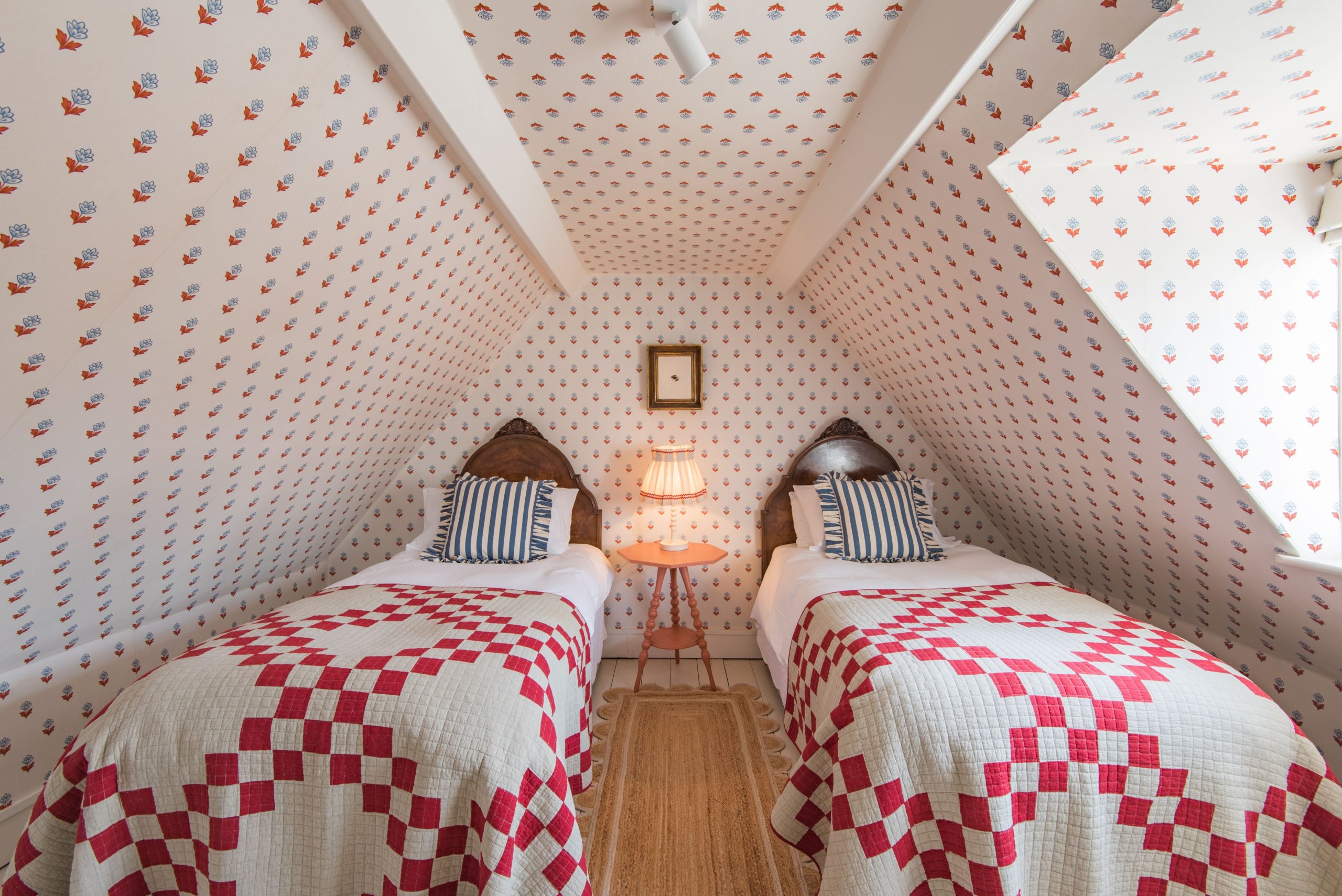
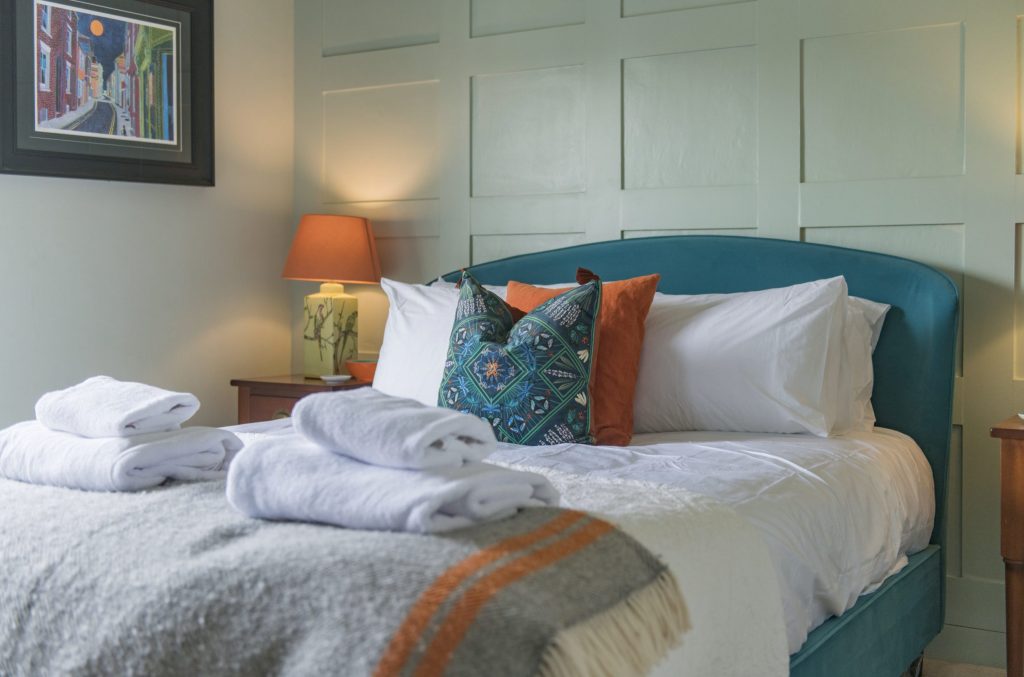
Wallpaper twin bedroom, in Rogue's Cottage, Deal

Do You Pay Council Tax on a Holiday Let in Kent?

Yes, you normally pay Council Tax on a holiday cottage in Kent unless it meets the national criteria to be rated as a self‑catering business. Where a property is treated as a second home rather than a main residence, Kent authorities can now charge a premium of up to 100% on top of the normal Council Tax, so you could pay double the standard amount.​

If the cottage is mainly for your own use or only let occasionally (for example, well under 20 weeks a year), it will almost certainly stay within normal Council Tax bands, even if you earn some income from short breaks. Only when the letting is regular and commercially focused do you move into the business‑rates regime.​ More on that here

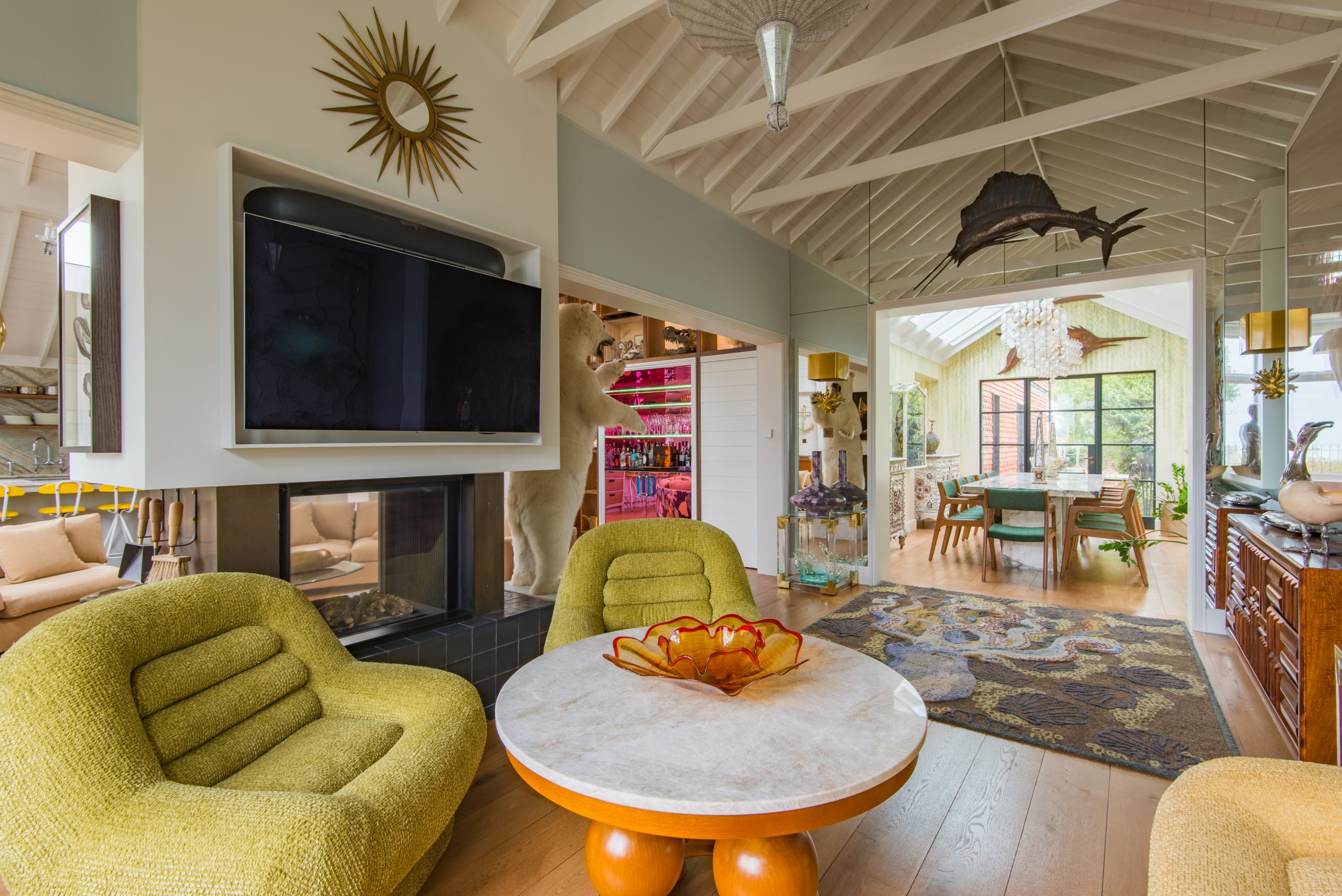
Downs Cottage, Kingsdown | Holiday Homes in Kent with a sauna

How Much Council Tax Do You Pay on a Holiday Let?

The bill depends on three things:

  • The property’s Council Tax band
  • The standard rate your Kent district/borough charges for that band
  • Whether a second‑home premium is applied (and at what percentage)

In England, Band A homes often pay around £1,200–£1,500 a year and Band H properties can exceed £3,500 before any second‑home premium. If a 100% premium is charged on a holiday cottage that would normally be £2,000 for a Band D property, the bill could rise to £4,000 for the year.​

Kent districts (for example, Folkestone & Hythe, Canterbury, Thanet, Dover and others) each have their own banded charges and decide whether to use the full premium, a lower premium, or none at all, so you must check the exact figures on the specific council’s website or on your latest bill.​

Are Holiday Lets Ever Exempt From Council Tax?

No – despite nobody living in them full-time, holiday lets are not exempt from Council Tax. If they are treated as domestic second homes and do not qualify for business rates, Council Tax remains payable for the whole year, even when the property is empty between bookings or in the off‑season.​

The main way to avoid paying the full amount of Council Tax on a holiday let is not an exemption but reclassification: if the property meets the self‑catering letting thresholds and moves into the non‑domestic (business rates) list.

Normal Council Tax discounts and exemptions for unoccupied or unfurnished properties are now very limited and subject to local policy, so they often do not help holiday‑let owners.​

How Much Council Tax Is Payable for an Annexe Holiday Let?

Where a holiday annexe is legally part of the main dwelling, it will usually have its own valuation band and Council Tax bill, but some annexes can qualify for specific discounts. These are:

  • A potential full exemption where an annexe is occupied by a dependent relative; however, this is unlikely to apply where the annexe is being used as a commercial holiday let.​
  • If the annexe is let commercially in its own right and meets the same self‑catering criteria (140 nights available, 70 nights actually let, and intention to continue), it can be moved onto business rates as a separate unit, so no Council Tax is charged for that annexe. 

If it does not meet those thresholds, expect a separate Council Tax charge at the band the Valuation Office Agency (VOA) gives it, and your council may also apply any second‑home premium to it.​

Romantic Stays in Kent | Holiday Cottages for couples | Keepers Cottages

When Your Kent Holiday Cottage Moves to Business Rates

Your Kent holiday cottage will normally be rated for business rates instead of Council Tax if: You 

  • Your property’s rateable value is less than £15,000
  • Your business only uses one property – you may still be able to get relief on your main business property if you use more than one premises.

From 1 April 2023, in England, all of the following must also be met:​

  • It was available to let commercially for short periods for at least 140 nights in the previous 12 months.
  • It was actually let commercially for short periods for at least 70 nights in that 12‑month period.
  • You intend to make it available to let commercially for at least 140 nights in the current 12 months

“Commercially” means with an intention to make a profit, charging market‑level rents, and marketing the property to the public rather than just to friends and family. If in a later year you stop meeting these thresholds (for example, you use the cottage mainly for yourself), the VOA can move it back from the business‑rates list to the Council Tax list, bringing Council Tax and any second‑home premium back into play.​

Small Business Rate Relief (SBRR) for Kent Holiday Lets

If your Kent holiday cottage moves onto business rates and has a relatively low rateable value, SBRR can dramatically reduce your bill. In England, properties with a rateable value up to around £12,000 can often receive 100% relief, so no business rates are payable at all, provided the property is your only business premises.​

Between about £12,000 and £15,000 of rateable value, SBRR usually tapers, so you pay some business rates but less than the full amount, and values above that typically pay full business rates. Because rateable values depend on the size, location and earning potential of the cottage, a small Kent coastal or countryside property may fall under the full‑relief threshold, whereas a large luxury home sleeping many guests may not.​

How is ‘rateable value’ determined? 

The easiest way to understand ‘rateable value’ is by taking a look at GOV.UK information. See below: 

“When we value a property, we generally look at its open market rental value. This means how much someone would be willing to pay for the property in rent for a year.  However, this way of valuing would not be suitable for self-catering holiday homes. Properties are usually owned, rather than rented, on an annual basis in the same way as a shop would be.  Because of the lack of rental information, we look at the annual income the property is expected to generate if let to its full potential. This is called its fair maintainable tradeWe request details of income and expenditure from different types of self-catering properties to see what the fair maintainable trade would be.  After we work out the fair maintainable trade, we then apply a set percentage to this figure to arrive at a rateable value. This value is used by local authorities to calculate business rate bills.” 

Find out more about how holiday cottages are valued here

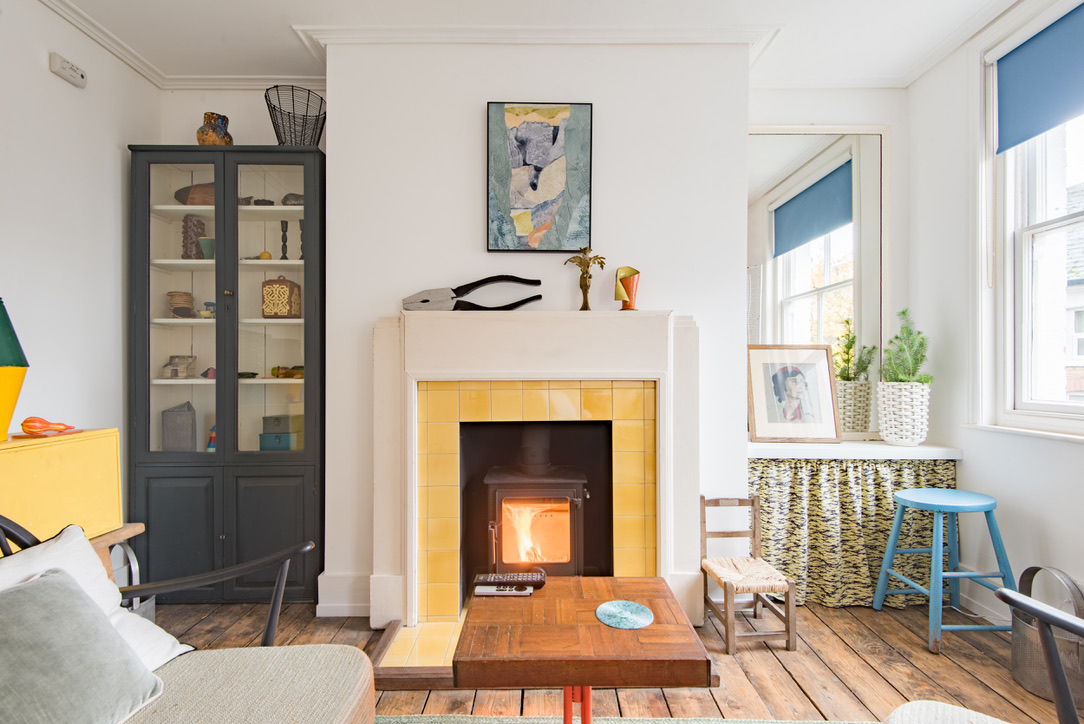
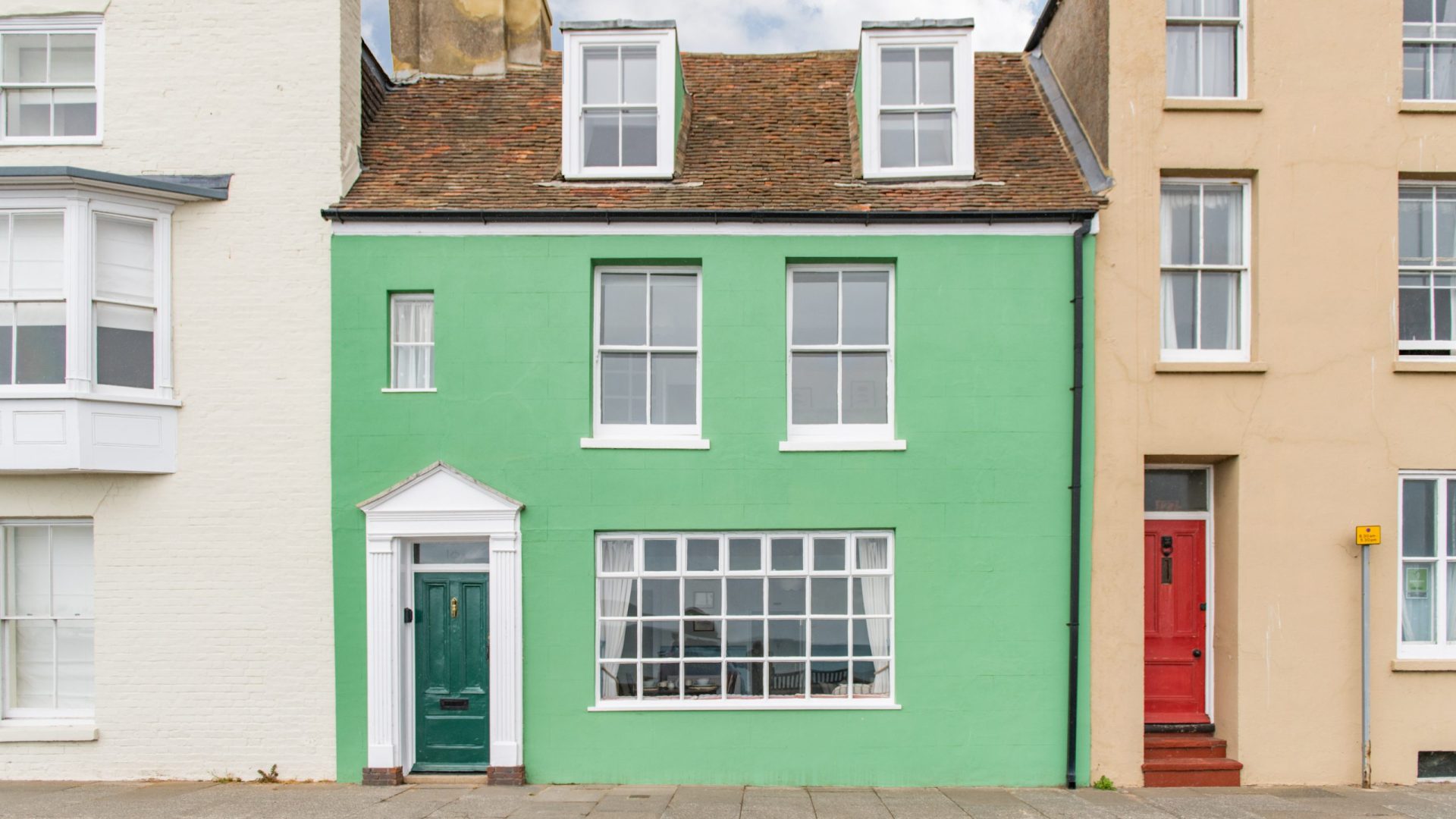
Folkestone Terrace | Holiday Homes in Folkestone, Kent

Role of Your Local Kent Council and the VOA

Two public bodies matter most for a Kent holiday cottage owner: the VOA and your local district or borough council. The VOA decides whether the property should sit in the Council Tax list or the rating list, and either gives it a Council Tax band or a business rateable value. Your local council then uses that band or rateable value to calculate either the Council Tax bill (including any second‑home premium) or the non‑domestic rates bill, together with any reliefs such as SBRR.​

To get a property moved to business rates once the criteria are met, owners must submit an application to the VOA using the relevant government form for self‑catering property in England. If there is any doubt about whether an annexe or separate unit should have its own entry, or about which list the property belongs on, owners can challenge or appeal VOA decisions through the published process.​

Practical Steps for Kent Holiday Cottage Owners

For anyone owning or buying a holiday cottage in Kent, a few practical actions help manage council‑tax exposure:

  • Check the current Council Tax band, the annual charge and whether a second‑home premium is applied on the local council website or via your bill.​
  • Plan your letting strategy around the 140/70‑night thresholds if you want to move onto business rates and potentially benefit from SBRR.​
  • Keep clear booking and availability records in case the VOA or council asks for evidence that you meet the commercial‑letting criteria.​
  • Take independent tax and legal advice before committing to a particular structure, as rules and reliefs may change and can interact with income tax and capital gains tax.​

This framework gives you the structure to turn your outline into a full article; local detail for a specific Kent district can then be added using that council’s latest figures and policies.

Let Your Property with Keepers Cottages

With more than a decade’s worth of experience in the holiday lettings industry, Keepers Cottages is a trusted agency that acts as a partner for countless holiday cottage owners throughout Kent. We provide a fully bespoke property management service to ensure that you get the best out of your cottage, and to assist you in navigating everything from technical legal jargon to simple styling tips.  

For more information, take a look at our Let With Us page, or get in touch on 01304 382044.

Share this post
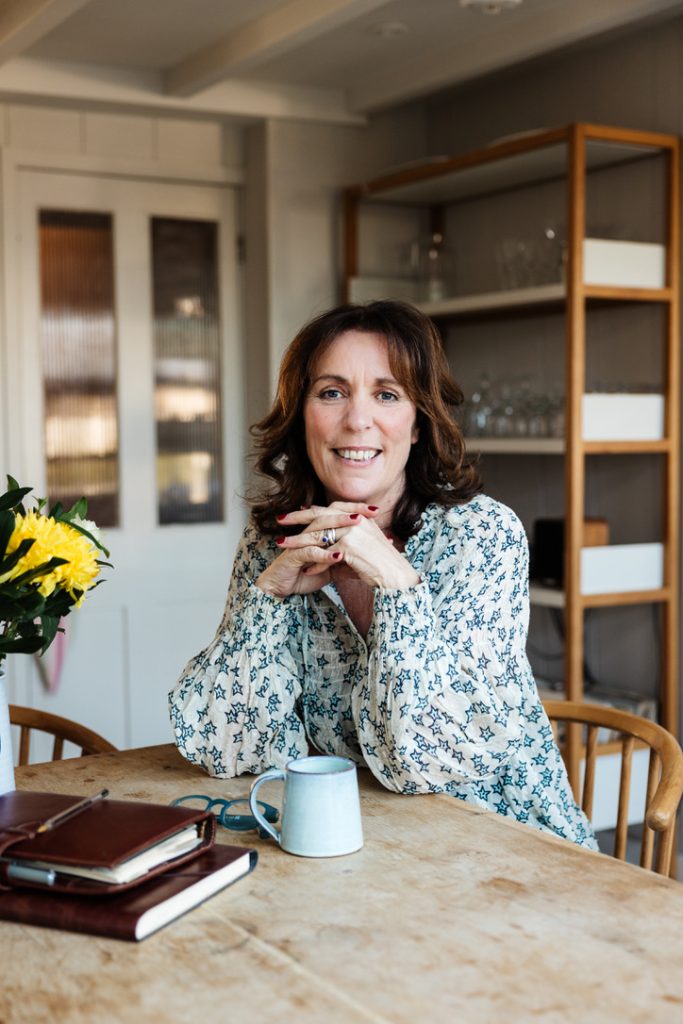
About Holly Price

Holly is a Freelance Copywriter who joined the Keeper's Cottage marketing team in 2025. Passionate about good food, good wine, good books and good beaches, she's keen to highlight the very best spots to explore and enjoy throughout Kent.

Join our Newsletter

Join our newsletter for a monthly round-up of events, news, and happenings in and around Kent!
For more information about how we will use your data please view our privacy policy.