



7 nights from
£1,351
 Holly Price
A foodie haven on the north Kent coast, Whitstable has long been loved as a seaside resort. In the mid-18th century, passengers and goods began to arrive by ferry from London, with the earliest evidence of ‘bathing machines’ (modern-day beach huts designed for changing) dating back to 1768. In 1830, the movement of goods and passengers was made even more seamless when the Canterbury and Whitstable Railway Company opened the world’s first entirely steam-hauled passenger and freight railway service, later known as the Crab and Winkle Railway, thanks to the area’s fishing fame and the railway’s initials. While the last locomotive journey on the line was carried out in 1953, the route was partially resurrected in 1999, when The Crab and Winkle Line Trust facilitated the reopening of the route as a footpath and cycleway spanning 7 miles between Canterbury and Whitstable.
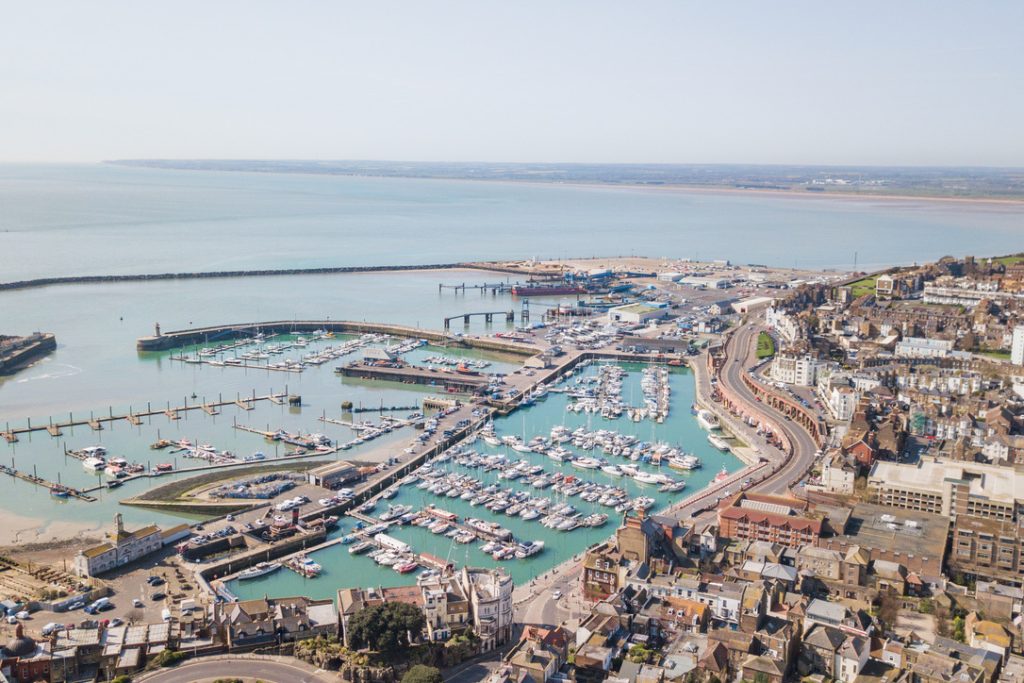
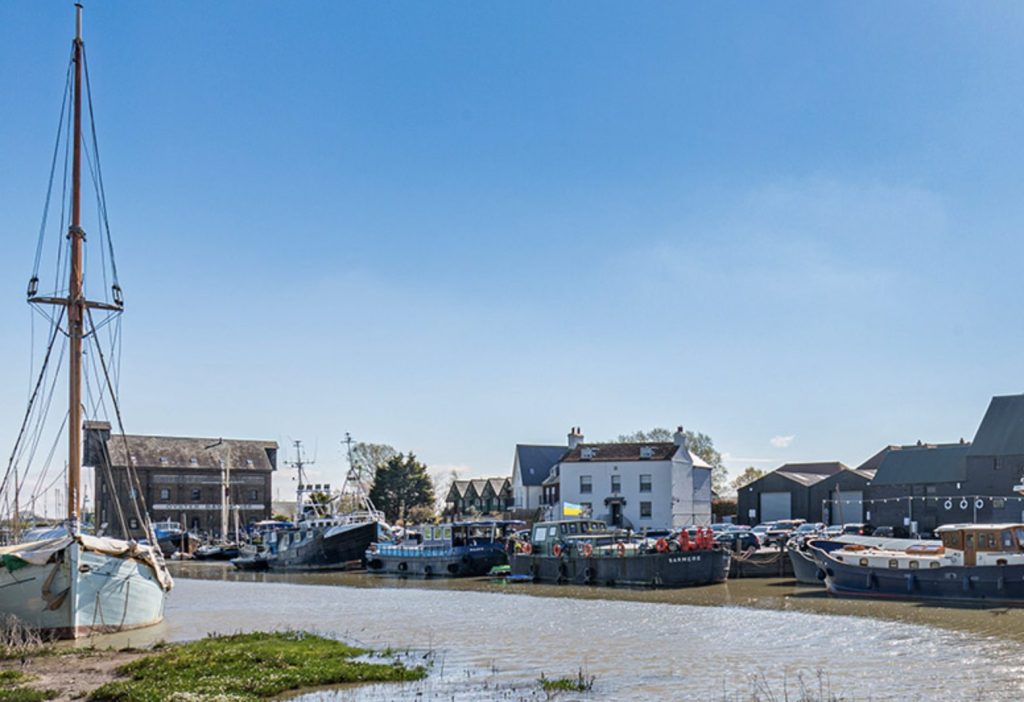
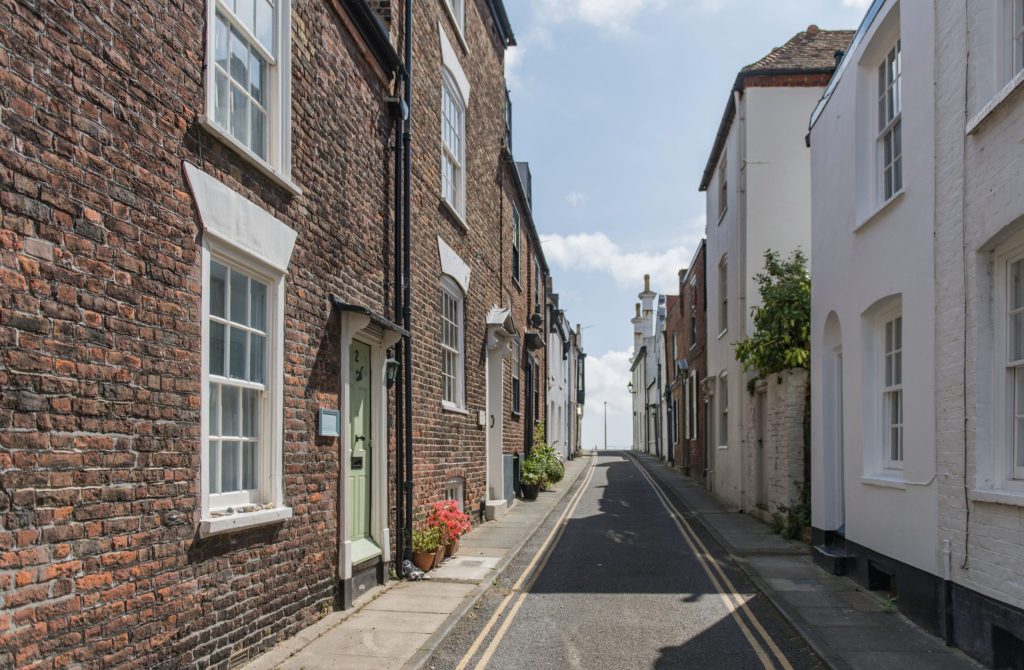
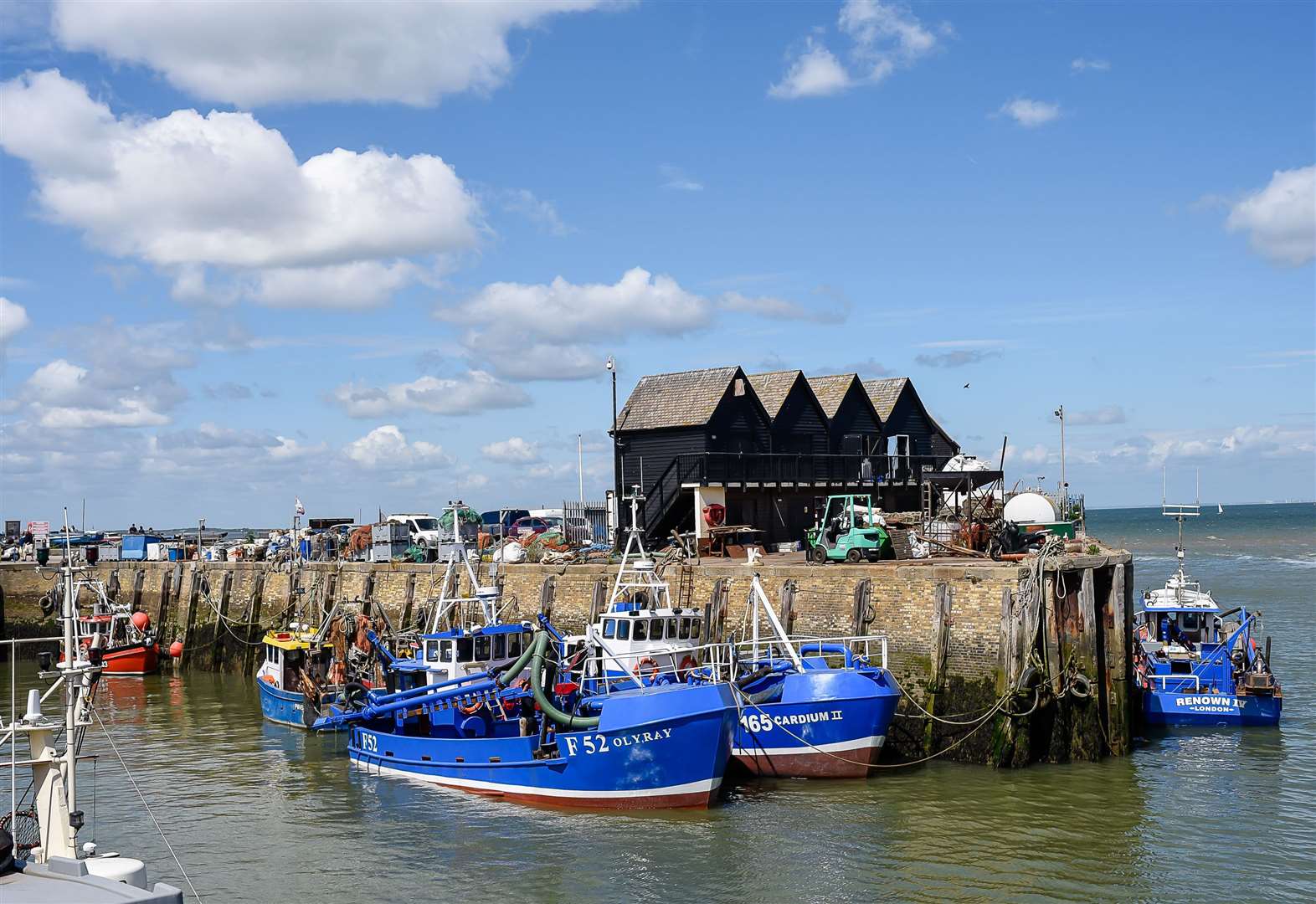
Throughout history – quite literally back to the Romans – this picturesque harbour town has been known for one thing – oysters. What Cancale is to France, Whistable is to the UK. Home to The Whitstable Oyster Company, which dates back to the 1400s, this Kentish town also hosts an annual festival devoted to the mollusc – the Whitstable Rocks Oyster Festival. Seafood and steam trains aside, Whitstable is both indulgent and reassuringly down-to-earth. With all the charm of a salty seadog, this lively town effortlessly blends the best of both worlds – spend a morning watching the action from the working harbour, before whiling away your afternoon hopping between cosmopolitan cafes and quaint streets of weatherboarded cottages.
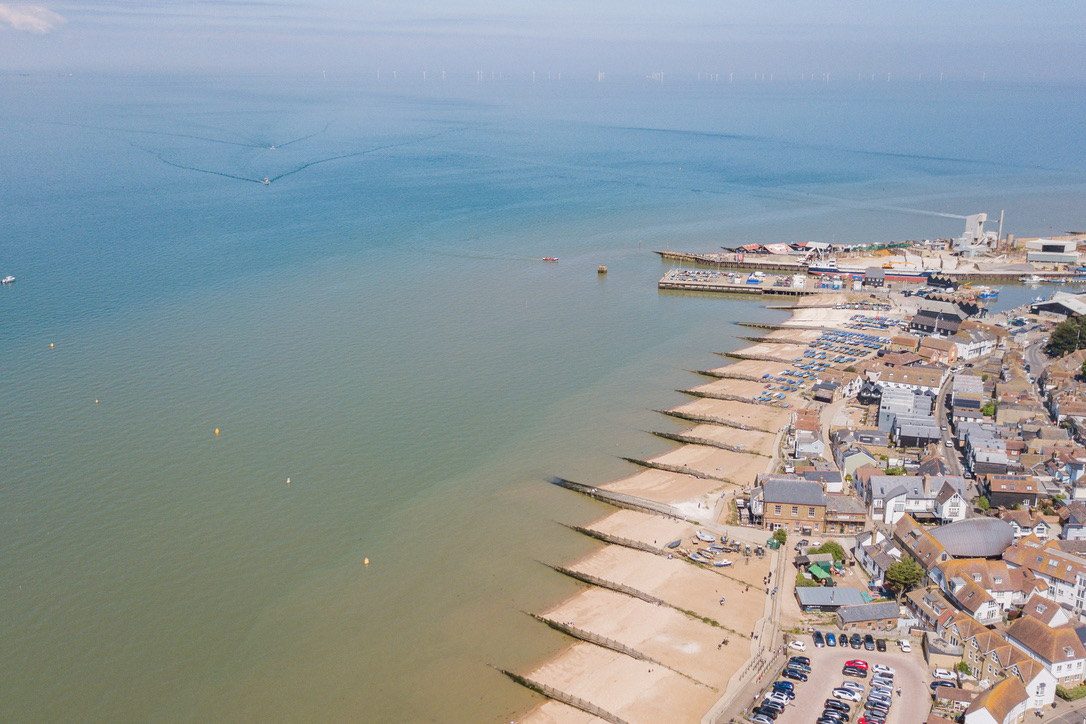
Getting to Whitstable: Set on Kent’s north coast between Herne Bay and Faversham, Whitstable is easily reached by road or rail. From London, the journey takes around 1 hour and 20 minutes on the high-speed service from St Pancras. By car, Whitstable is well-connected via the M2 and A299, with scenic routes leading straight to the harbour and seafront.
There are some limited free on-street parking spots throughout the town that you can use early in the morning or in the evening, but these are often time-restricted or quickly filled. For a stress-free visit with your car, here’s where we suggest parking:
Gorrell Tank Car Park (CT5 1HH) – Large outdoor car park with over 400 spaces, located just a short walk from Whitstable Harbour and the High Street. It’s open 24 hours and ideal for visitors wanting easy access to shops, cafés, and the beach. Charges start at about £2 for the first hour, with daily rates available.
Harbour Street Car Park (CT5 1AR) – Centrally located near the boutique shops and seafood restaurants, this smaller car park fills up quickly but offers excellent convenience for short stays. Expect to pay around £1.60 per hour.
Tankerton Road Car Park (CT5 2AY) – A great option if you’re heading to Tankerton or looking for a quieter area to park. It has around 100 spaces and is free after 6 pm, making it popular for evening visits and coastal walks.
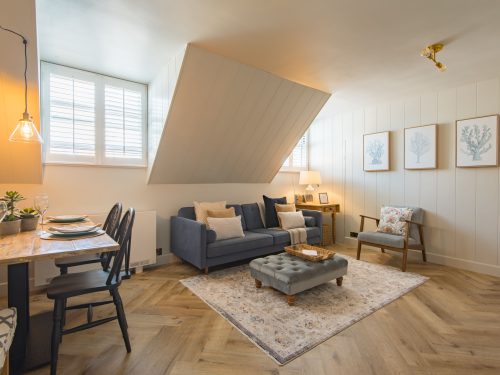
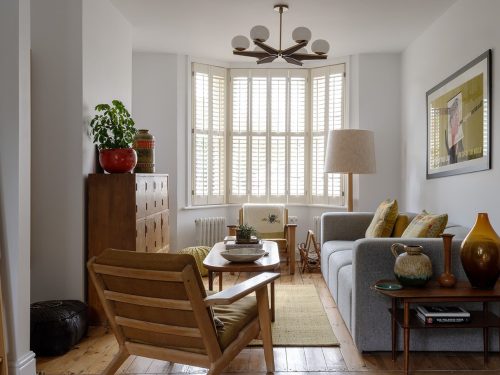
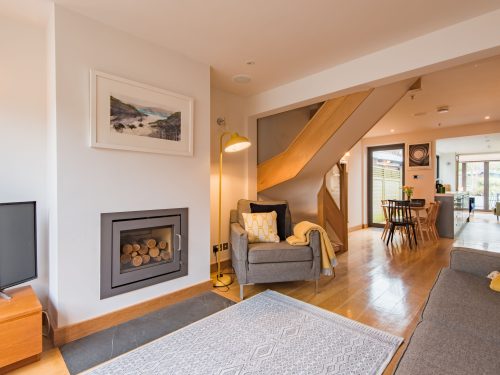
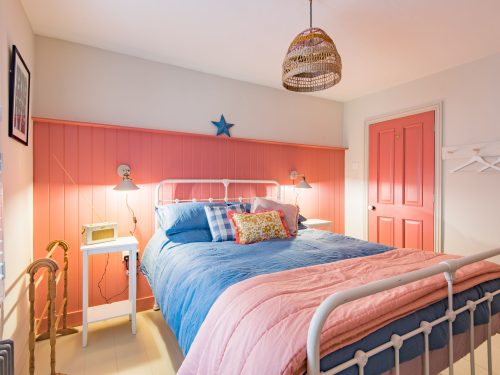
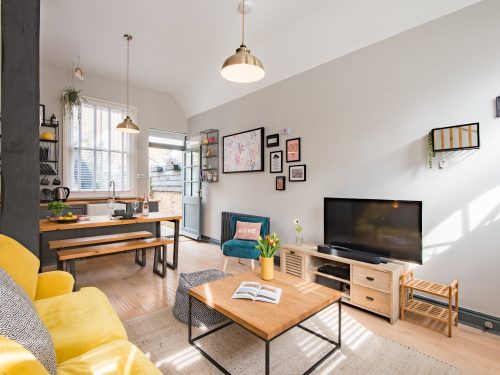
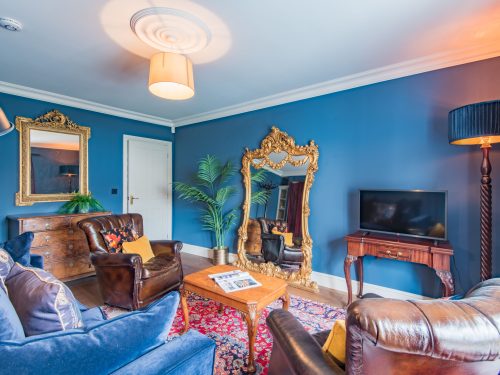

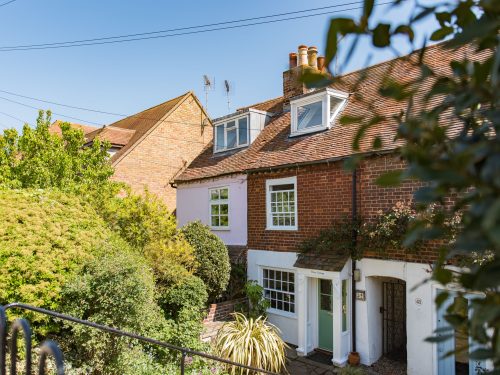
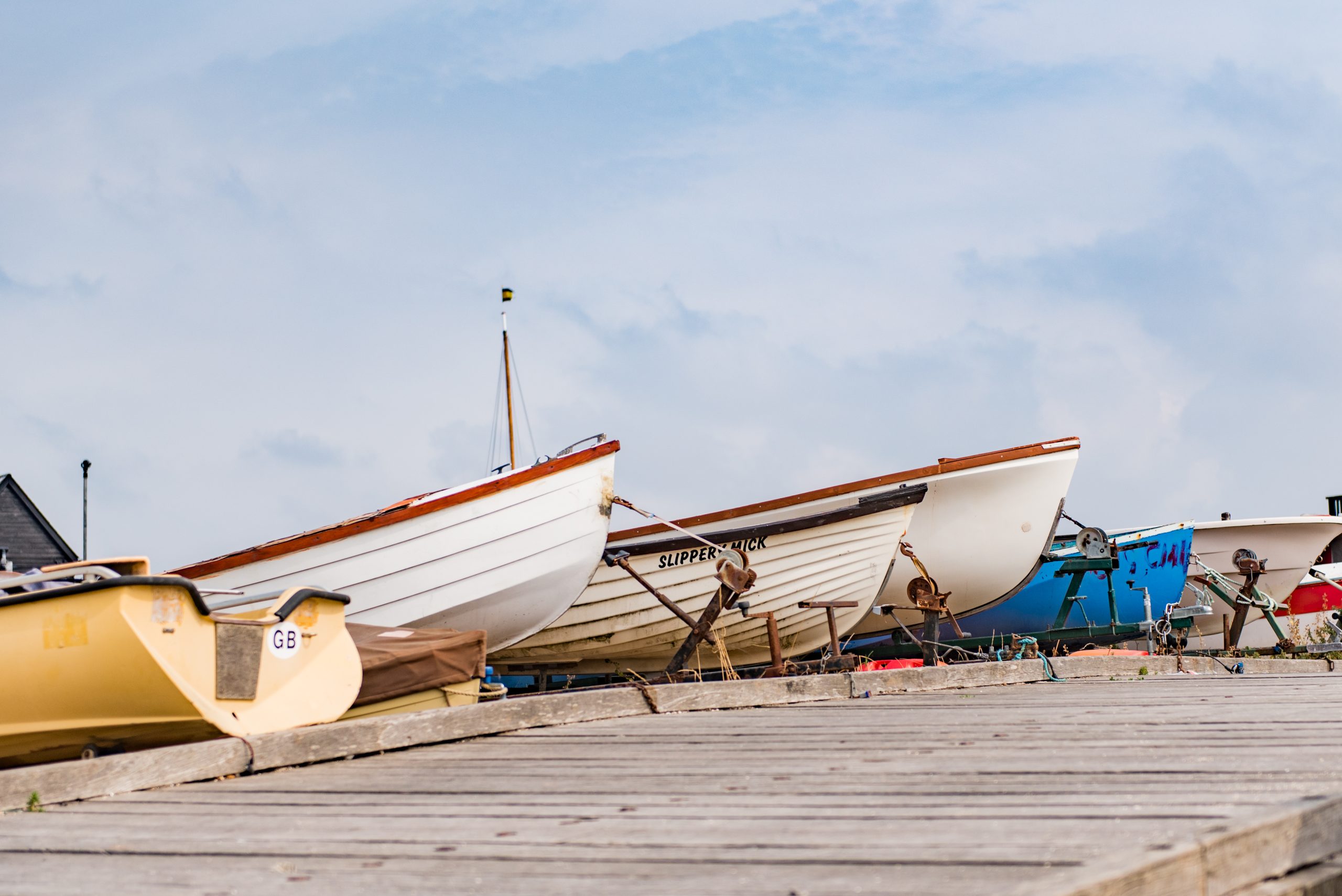
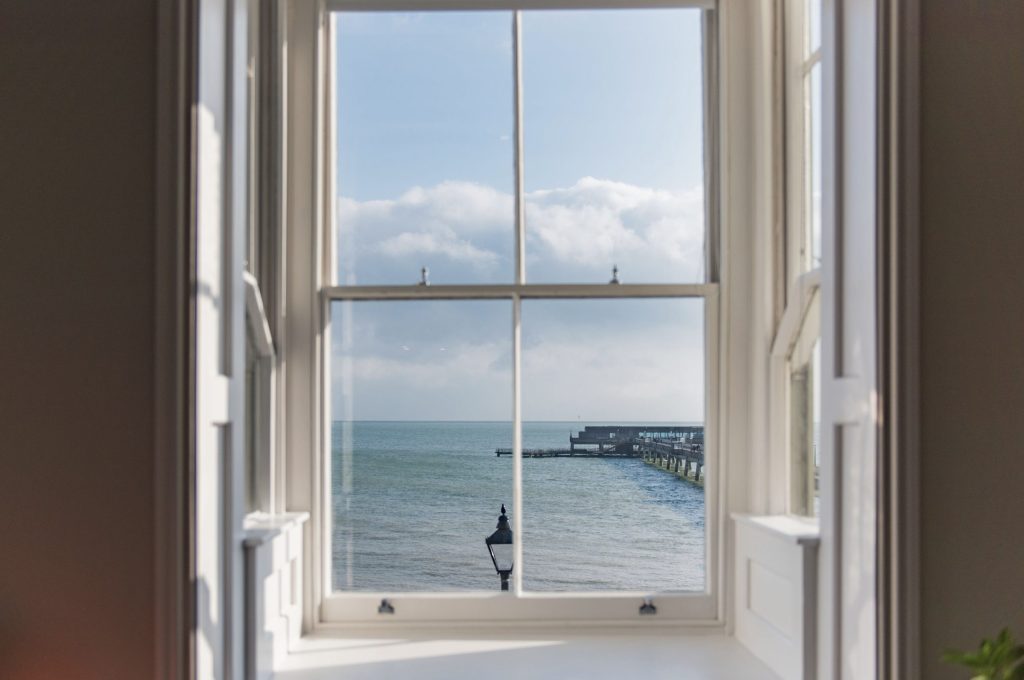
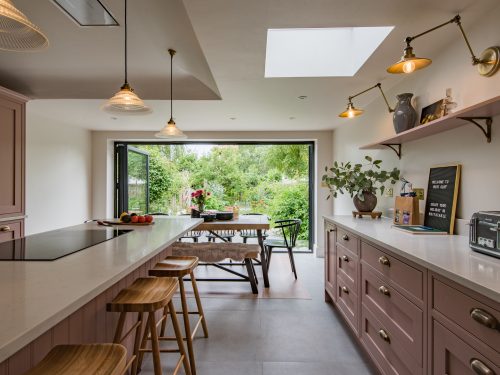
If salty sea air, fresh oysters and stonking sunsets sound like just what you need, take a look at our collection of Whistable holiday cottages. From chocolate-box boltholes with slivers of sea views to contemporary townhouses with inspiring interiors, we’ve got a wealth of enchanting escapes to explore.
A must-visit for cosy coastal ambience and spectacular seafood, Whitstable is teeming with wonderful things to do. From the walking on water experience of ‘The Street’ to shopping for artisanal goods at independent stores, these are our favourite things to do in Whitstable.
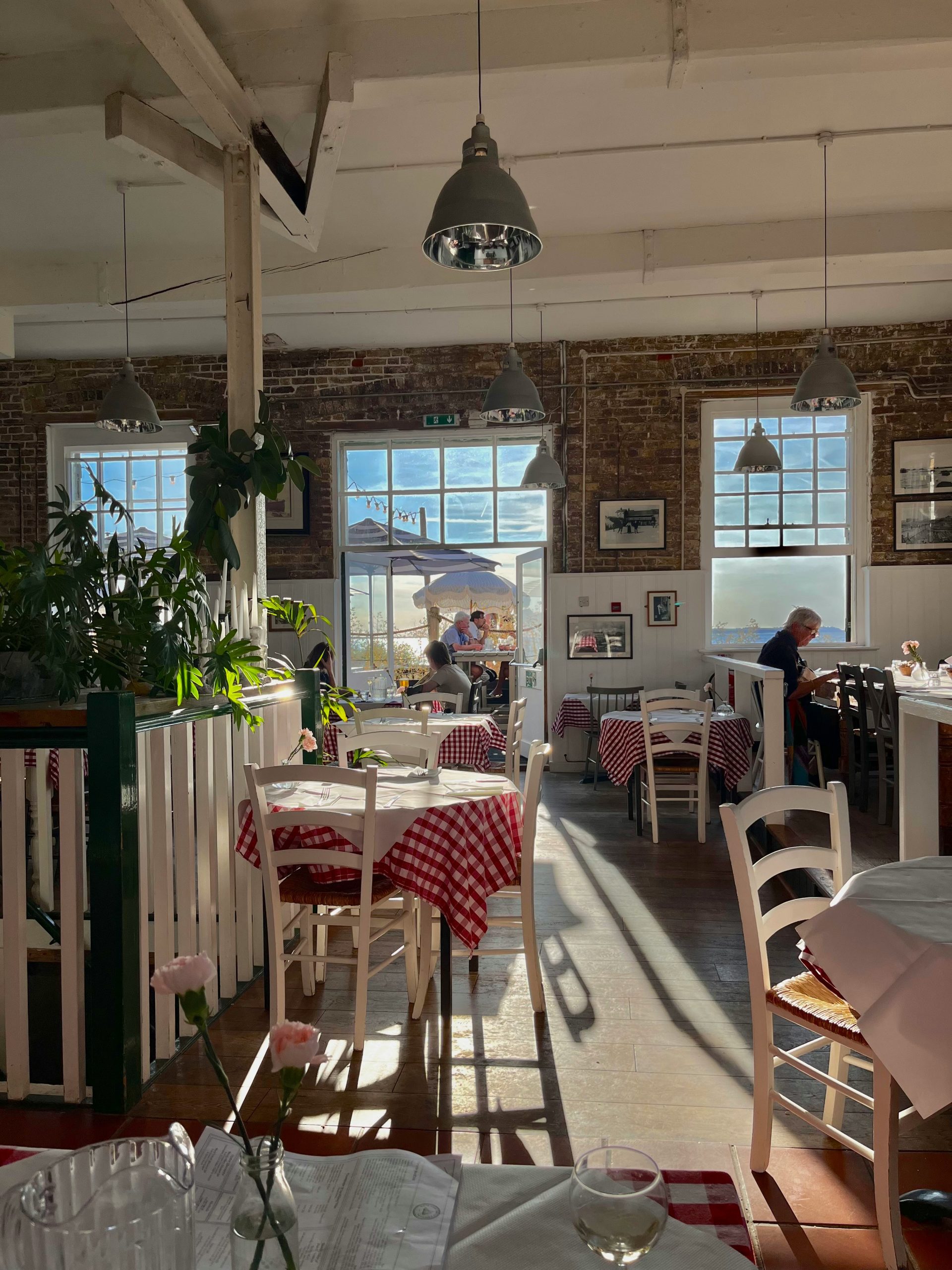
Whitstable has long been known for its bucket-list gastronomy options, celebrating provenance and supporting local fishermen, with chef Tom Kerridge describing it as a “grittier Padstow.” To start as you mean to go on, head for Grain & Hearth, where breakfast can mean anything from Turkish Eggs to banana cinnamon buns. Located in the neighbouring community of Seasalter, The Sportsman has far-reaching renown thanks to its Michelin star. Marking the spot of an ancient inn that has existed since 1642, The Sportsman pub leaves pomp and pretentiousness at the door and simply serves exquisite food in a comfortable ambience. With interiors and an atmosphere straight out of a sea shanty, the Whitstable Oyster Company is a must for the quintessential Whitstable experience and seafood as fresh as you can get it.
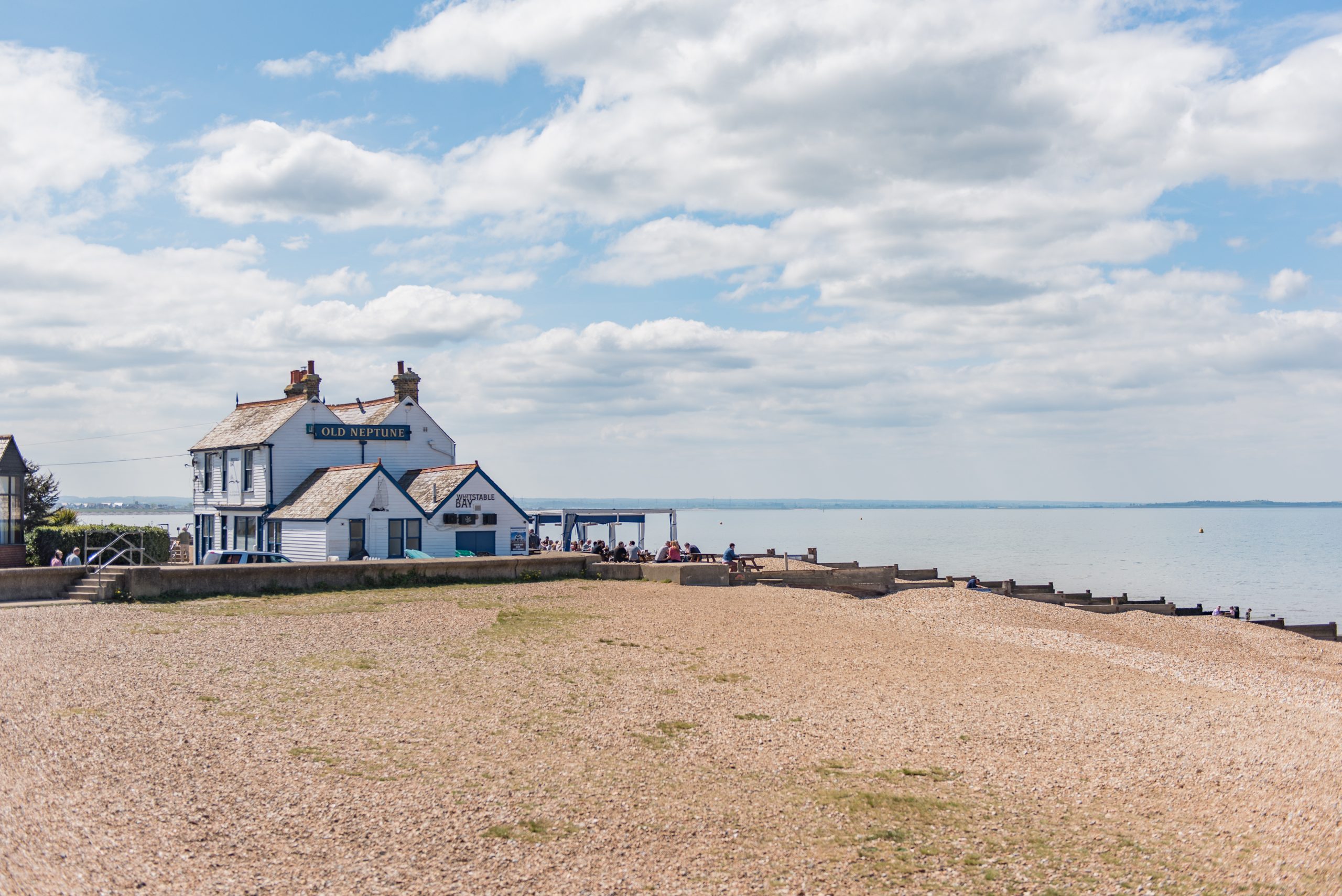
In Tankerton, Jojo’s offers up Mediterranean mezze with a local seafood twist – in their own words, it’s ‘nowt fancy, just cooking with a conscience’, which perfectly summarises the local foodie scene. Old Neptune, which happens to be one of the few pubs in the UK situated directly on the beach, is a true sight for sore eyes at sunset. Serving casual, home-cooked fare with a side of live music, you’ll likely find it hard to leave. Speaking of right on the beach, The Forge is a casual seafood shack serving shellfish staples alongside hot fish and chips. If you continue around the harbour from here, you’ll also find The Lobster Shack, an equally charming eatery with plenty of space inside.
Whitstable has plenty of inviting spots to enjoy a drink, from lively pubs to laid-back seaside bars. The Smack on Middle Wall is a local favourite, converted from two fishermen’s cottages built in the 1800s with a nautical theme throughout. Just a short stroll from the harbour, it’s a great choice for real ales or a relaxed pint after exploring the town. For something a little different, The Sea Farmers Dive, known locally as ‘The Dive’, offers a cool and contemporary taproom experience without sacrificing cosiness – a logburner crackles away in the cooler months and fairylights are strung between fishing accoutrements.
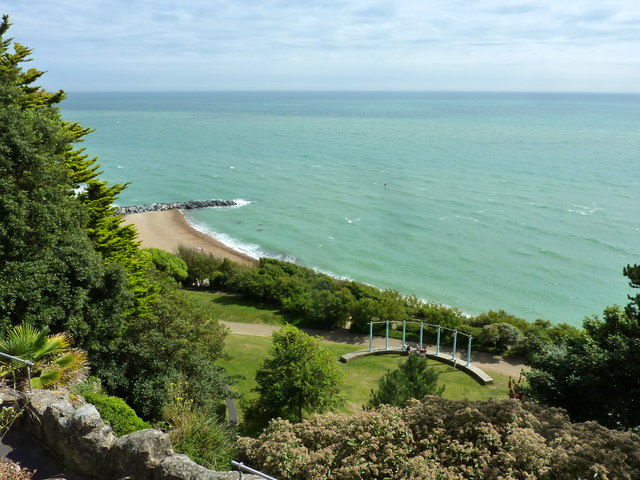
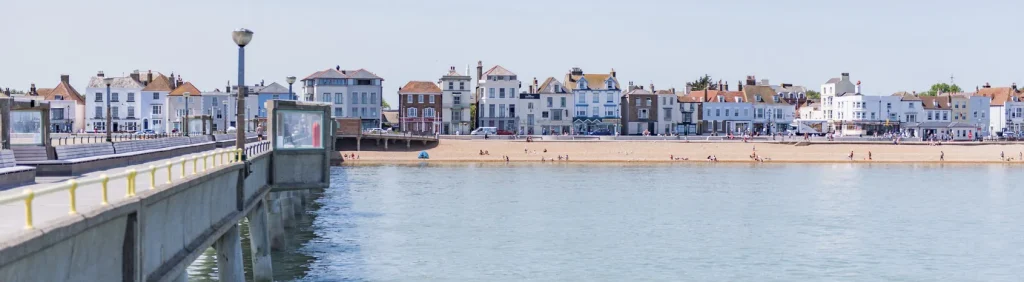
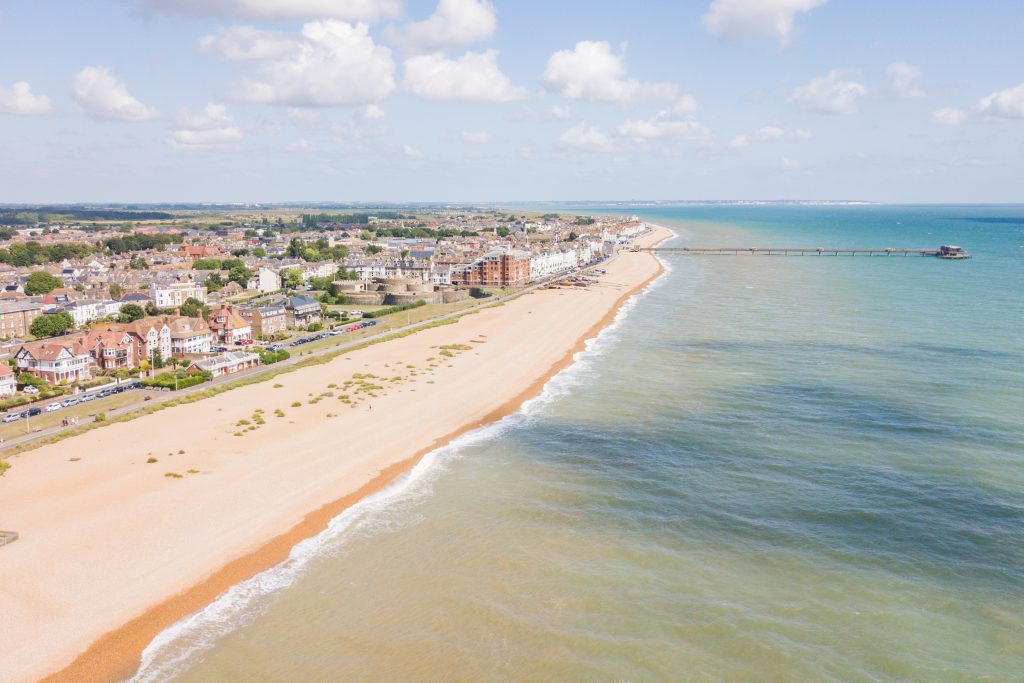
A scenic harbour town that hugs the North Kent coast, Whitstable is essentially fringed by one big beach, meaning you can’t really go wrong, whatever direction you head. With mostly shingle terrain, both Whitstable and Tankerton beaches are great for coastal walks that blow away the cobwebs. To make a day of it on a sandier stretch, head for Minnis Bay, Joss Bay or Kingsgate Bay. For a tour of the best beaches in the entire county, take a look at our Best Beaches in Kent Guide.